


Vicarious trauma can easily creep up, and in the case of individuals who hear the sufferings of others daily, it usually does so without notice. The stories of people you love and care about, and whom you can help in times of trouble, can start to influence your thoughts and feelings, and make you feel less safe. This emotional load can eventually transform your perception of the world, self and even your relationships. You can be more nervous, emotionally depressed, or out of touch without knowing why.
Even though it will help others, there is also an insidious cost to mental and behavioral health that will be incurred because you failed to safeguard yourself. We are of the opinion that the first step towards healing at Mental Behavioral is awareness. With knowledge of vicarious trauma at the initial stages, you will be able to develop practical coping skills and go on helping other people without losing yourself to the process.
What is Vicarious Trauma?
Vicarious trauma is the emotional pain developed in an individual when they hear a painful or traumatic incident of someone else. It usually takes place in people who help others like therapists, support workers, caregivers, or doctors. The individual can start reliving the same tales of fear, abuse, or loss and will therefore start to be affected by the stories. Therefore, they may be depressed, fatigued, nervous or overwhelmed even without the direct effect of the trauma.
However, the vicarious trauma does not happen at all. Instead, it is built up over time. One may start to feel that the world is unsafe, or they may feel bad about life. In addition, they may experience a problem with relaxing or failing to be emotionally attached to others. Because of this, it is worth noting that these emotions should be considered at the earliest stage possible, and self-care, support, and healthy boundaries should be exercised to protect mental health.
Vicarious Trauma Symptoms
The vicarious trauma symptoms include the following:
- Most of the time, feeling sad, scared or anxious.
- It is the recollection of the trauma of other people.
- Helplessness or hopelessness.
- Sleeping difficulties or problematic dreams.
- Easy to be angry or irritated.
- No more interest in daily life.
- Not being part of a family or friends.
- Between concentration and decisions.
Indirect Trauma and Vicarious Trauma
Indirect Trauma and Vicarious Trauma are linked to the stress of painful events in another individual. The indirect trauma is developed when a person hears or even witnesses the aftermath of the trauma, but does not necessarily have to go through it. The emotional stress can be caused, as an example, by listening to the news reports, helping a suffering friend or dealing with cases of trauma.
However, vicarious trauma is a bit deeper. It is prevalent amongst those who engage with others since it is one of their jobs, such as counselors or caregivers. Over time, their ideas and sentiments regarding life will start to change. Also, they may be less idealistic or know that everything is fine. Thanks to this, the awareness about both types of trauma will ensure that people will be more aware of the signs in the initial stages and do something to protect their mental health.
Vicarious Trauma Vs Compassion Fatigue
Vicarious Trauma | Compassion Fatigue |
| Emotional stress from hearing others’ trauma again and again | Emotional tiredness from caring for others for a long time |
| Deep exposure to traumatic stories and experiences | Ongoing carving without enough rest or support |
| Therapists, counselors, social workers, caregivers | Caregivers, nurses, helpers, support staff |
| Changes the way a person sees the world and safety | Causes emotional exhaustion and reduced empathy |
| Builds slowly over time | Builds slowly over time |
Secondary Trauma Vs Vicarious Trauma
Both Secondary Trauma and Vicarious Trauma occur when an individual experiences stress due to the pain of another person. Secondary trauma usually presents itself abruptly following the telling of some shocking or disturbing narrative. As an illustration, an individual might be scared, depressed, or become stressed shortly after hearing about the trauma of another individual. Consequently, their moods might be somber at some point.
Nevertheless, vicarious trauma tends to occur gradually. It commonly occurs in individuals who listen to trauma narrations as part of their duties, including therapists or caregivers. Their ideas of safety, trust or life might alter with time. Moreover, they can be more awake or emotionally exhausted. Due to that, understanding the difference can make people observe the signs at the initial stages and safeguard their mental health.
Vicarious Trauma Examples
- A therapist is anxious because he listens to trauma stories daily.
- The nurse is emotionally exhausted when working with the abused patients.
- A social worker feels unsafe when they work with cases of violence.
- A social worker feels unsafe when they work with cases of violence.
- A teacher is under stress after assisting a troubled child.
- Any reporter is troubled when they report on bad news.
- Repeated emergency calls leave a crisis worker helpless.
Vicarious Trauma Vs Burnout
Both Vicarious Trauma and Burnout have an emotional health impact, although they are acquired differently. When an individual hears the painful experiences of others over and over again, it leads to vicarious trauma. Therefore, such stories start influencing their emotions and minds. As an example, an individual might be scared, sad, or concerned even when they are not at work. This may eventually transform their attitudes to safety and trust.
Nevertheless, long hours, workloads, and constant work-related stress are the sources of burnout. It is not necessarily cases of trauma. Instead, an individual can be fatigued, demotivated, or depressed. Moreover, rest and work balance usually enhances burnout. Due to this issue, the awareness of the distinction is beneficial in making appropriate decisions on support and treatment of mental health in people.
How to Deal with Vicarious Trauma?
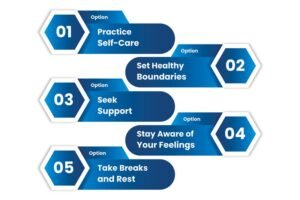
Practice Self-Care
The emotional stress can be reduced by taking good care of your body and mind. Even such basic routines as appropriate sleep, nutrition, and frequent rest are significant. Also, stretching exercises are helpful in relaxing your mind. Consequently, you are more rejuvenated.
Set Healthy Boundaries
Obvious lines defend your emotional reserves. Take a break from the amount of trauma you absorb daily. Another thing to do is to take time off work and hear harrowing tales. Due to this, your mind gets room to rejuvenate.
Seek Support
Sharing with close individuals allows one to shed their emotional burden. Talk to your friends, workmates or support groups. In addition to this, professional counseling may provide coping mechanisms. This will make you not as lonely.
Stay Aware of Your Feelings
Be aware of the mood, sleep, or thoughts changes. Learning to be proactive makes you do things before stress accumulates. Moreover, clarity is developed by journaling or reflection. Consequently, you are able to deal with emotions in a healthier manner.
Take Breaks and Rest
When there are frequent breaks, there is no emotional overload. Avoid stressful circumstances as much as possible. You should also have brief rests in the day to re-open your mind. This sleep promotes emotional stability in the long term.
How to Avoid Vicarious Trauma?
Build Strong Emotional Boundaries
Emotional boundaries help protect your mental space. Stay caring but avoid taking others’ pain as your own. Also, remind yourself that their trauma does not define your life. As a result, you stay emotionally balanced.
Limit Trauma Exposure
Too much exposure to painful stories increases emotional stress. Take breaks from intense conversations or content when possible. In addition, balance your work with lighter tasks. This helps your mind stay calm.
Practice Regular Self-Care
Daily self-care supports emotional strength. Focus on sleep, healthy meals, and gentle exercise. Also, include relaxing activities you enjoy. Because of this, your body and mind recover faster.
Talk About Your Feelings
Sharing emotions prevents emotional buildup. Speak openly with trusted people or colleagues. Moreover, professional support offers coping tools. This communication reduces stress.
Stay Connected to Positive Activities
Positive moments balance difficult work. Spend time on hobbies, nature, or creative outlets. In addition, enjoy meaningful time with loved ones. This helps restore emotional energy.
Learn Stress-Management Skills
Simple skills reduce emotional overload. Deep breathing, mindfulness, or grounding techniques calm the mind. Also, regular practice builds resilience. As a result, stress feels more manageable.
Vicarious Trauma Treatment
Professional Therapy/Counseling
Therapy makes an individual realize the impact of exposure to trauma on their feelings. A mental health professional facilitates healthy coping skills. Besides this, therapy is a safe environment where one can be open with them. In the course of time, emotional pressure begins to decrease. Consequently, there is a greater balance of thought and feelings.
Emotional Support Systems
Friendly support, family, or coworker support is significant. The expression of emotions is beneficial in letting the emotional burden go. Besides, loneliness decreases when one feels understood. Emotional strength is developed through constant encouragement. Due to this, the stress becomes easy to cope with.
Boundaries at Work and Life
Boundaries shield emotional energy. Reducing trauma will assist the psyche with recovery. A clear work-life balance also contributes to peace of mind. With time, the effect of stress reduces. Consequently, there is better emotional control.
Self-Care and Daily Routines
Emotional healing is facilitated by daily self-care. Light exercise, proper sleep, and healthy eating help the body relax. Besides this, relaxing activities eliminate mental tension. Stability is achieved through constant habits. This assists to regain emotional equilibrium.
Stress-Management Techniques
The skills of controlling stress relax the nervous system. Anxiety is minimized by practices such as deep breathing or mindfulness. In addition, grounding methods assist in being present. Resiliency is developed through frequent use. Due to this, emotional responses will become manageable.
Final Thoughts
Any person who works with individuals who suffer pain or trauma is prone to vicarious trauma. In the long run, it can transform the way one thinks, feels and perceives the world. Nonetheless, through awareness, support, and reasonable care, the severe emotional influence can be controlled and averted. Therapist guidance, self-care, healthy boundaries and stress-management skills contribute to recovery.
At Mental Behavioral, we focus on the early identification of the signs and provide the means to live with them. It is possible to help others without damaging the mental well-being of individuals by developing emotional resilience and asking others to support them when necessary. It is important to remember that it is equally important to take care of yourself, as it is of other people.
FAQs
What is vicarious trauma?
Vicarious trauma refers to the emotional pressure that an individual experiences because of being a listener or a helper to the traumatic experience of another person. It tends to impact caregivers, therapists and support workers.
What is the way to know whether I have vicarious trauma?
Symptoms are emotional exhaustion, anxiety, depression or insomnia. You can either be withdrawn or too sensitive to danger.
Who faces the danger of vicarious trauma?
Those in direct contact with trauma survivors, like therapists, nurses, social workers, caregivers or first responders, are at most significant risk.
Is vicarious trauma treatable?
Yes, it is treatable through therapy, support circles, self-management, stress management skills and healthy work and family boundaries.
What can I do to avoid vicarious trauma?
Establish boundaries of emotions, have frequent breaks, perform self-care, seek support, and avoid exposing themselves to traumatic narratives where possible.