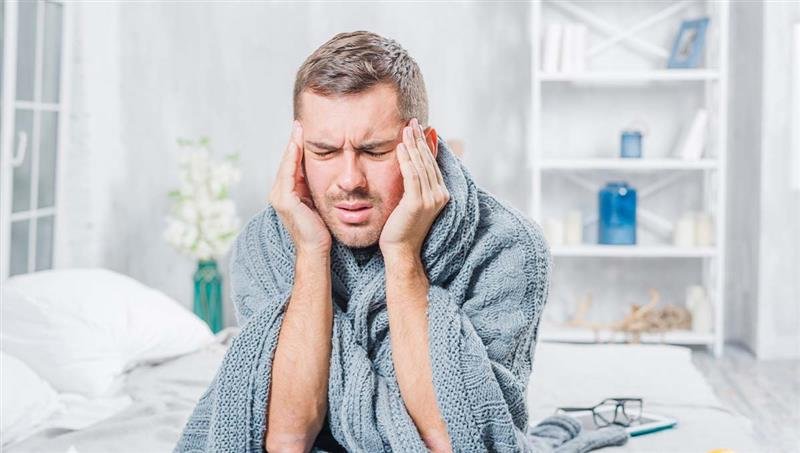
Health is a primary concern to all people, and some individuals develop a fear of sickness that is distressing. This hyper anxiety is referred to as health anxiety, and it can conquer your thoughts, feelings, and life. Health anxiety in many individuals will always be on a hunt to find symptoms online, experience fear of normal body sensations, or repeatedly go to the doctors to reassure them.
In this article, we will explain fully what health anxiety is, its symptoms, and provide proven treatment choices for health anxiety. You will also find out effective coping mechanisms of health anxiety, tips on how to quell health anxiety, and even real-life stories of people who conquered it.
What Is Health Anxiety?
Health anxiety disorder, which is also known as illness anxiety disorder or hypochondria, is a type of fear that overwhelmingly engulfs you with the fear that you are in a serious illness, despite medical tests proving that you are healthy. Individuals who develop this condition tend to make a big deal out of simple physical experiences such as headaches, fatigue, and sore muscles; they consider them dangerous symptoms of a disease. Even such common physical experiences as a faster heart rate or stomach pains may become the cause of severe anxiety.
The moment the health issue begins to dominate daily living and labor, or even affiliations, then it becomes a severe problem. High anxiety individuals may live in constant fear, they might have panic attacks, insomnia, and fail to focus on their daily activities. Such a constant worry can also affect mental and emotional well-being in the long term because people grow tired and become trapped in a circle of fear. Health anxiety does not just revolve around being an anxious person; it is a hyper-vigilant response to the body’s sense of being normal.
Health Anxiety Symptoms
The identification of the indicators is significant in the early support. Symptoms of health anxiety that are commonly experienced are:
- Checking your body repeatedly to see whether you are sick or not.
- Google-Googling symptoms all the time.
- Avoiding anxiety, consulting doctors, friends, or family.
- Panic in feeling normal body sensations.
- Shy of medical news or hospitals.
- Lack of focus on everyday activities due to health concerns.
- Emotional distress, sadness, guilt, or irritability.
People with health anxiety OCD may have compulsive checking behaviors, like taking their temperature, heart rate, or blood pressure multiple times a day.
Why Does Health Anxiety Happen?
There are a number of reasons why health anxiety may occur:
- History of past personal illness/trauma.
- Seeing a beloved one suffer a severe illness.
- High stressors/life transitions.
- Other anxiety disorders, such as anxiety and OCD.
- The inability to interpret normal body sensations as dangerous.
With time, the brain starts relating the non-threatening physical changes to severe disease. It is this fear-response loop that is making some individuals ruin their lives due to health anxiety.
Health Anxiety Test: How Professionals Assess It
The health anxiety test is not a diagnostic test; it is a set of questions, a questionnaire, which is to be used to gauge to you feel about being sick. The questions in such tests are frequency of thoughts about health, the timeframe that you spend during the check of whether you have this symptom or that, and the effects of anxieties on your daily life. The results are used by the professionals and therapists of mental health to determine the level of anxiety severity and prescribe the most effective anxiety intervention.
It is also possible to take an anxiety test to monitor your progress over time. Having it completed regularly, you and your therapist will be able to notice improvements or realize that there are certain aspects that should be worked on. Although the test gives valuable information about your emotional patterns, it should be borne in mind that it is not a replacement for medical examination and professional testing. Health anxiety tests are used to be able to guide therapy, not to establish physical illness.
Health Anxiety Treatment: What Works
The positive aspect is that there is help in terms of health anxiety, and the disorder is manageable. The most effective methods of treatment of anxiety include:
1. Cognitive Behavioral Therapy (CBT)
The gold standard of health anxiety treatment is CBT. It teaches you to:
- Determine unhelpful thoughts.
- Overcome exaggerated fears.
- Reduce checking behaviors
- Learn better coping mechanisms.
Studies indicate that CBT is capable of alleviating symptoms in several months.
2. Medication
Other times, the doctors are prescribing antidepressants or anti-anxiety drugs to aid in suppressing the symptoms. A combination of medication with therapy is usually the best for enhancement.
3. Exposure Therapy
This treatment is a gradual exposure to feared circumstances, such as small physical sensations or triggers due to health, in a desensitized manner. With time, your anxiety lessens automatically.
4. Mindfulness And Meditation for Health Anxiety
Health anxiety meditation practices relax your nervous system, decrease intrusive thoughts, and allow you to exist in the present moment rather than worry about possible diseases. Even 1015 minutes of daily meditation may help.
5. Support Groups
It is good to share the story with people who share your experience. Support and isolation can be mitigated by sharing strategies and stories.
How to Cope with Health Anxiety?
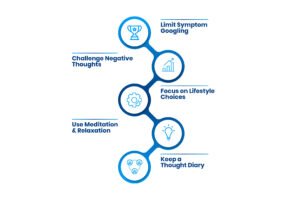
1. Limit Symptom Googling
The internet provides the worst-case scenarios, which leads to the anxiety of symptoms being searched online. Attempt to put limits and do not search the internet to find out more information about medical conditions without the advice of a doctor. Rather, seek expert recommendations to be clear. This minimizes the unnecessary worry and obsessive thoughts.
2. Challenge Negative Thoughts
When anxious thoughts come, stop and question whether there is actual evidence that there is danger. The question is, what would you say to a friend under the same circumstances? Thought reframing can be used to have a break in the fear cycle. This, in the long term, decreases worrying about being sick all the time.
3. Focus on Lifestyle Choices
You can not control the feelings of all of them, but you can control your health habits. Exercise, proper sleep, and diet make the body and mind stronger. A healthy routine may boost self-confidence and decrease anxiety. This practice will ensure that you focus on good things, rather than on fears.
4. Use Meditation and Relaxation
Recording anxious thoughts and the result is useful to trace patterns over time. You will see what a number of fears were unfounded or exaggerated. This creates self-consciousness and diminishes the influence of anxiety. A journal can be an effective way of introspection and for handling health issues.
5. Keep a Thought Diary
Writing down anxious thoughts and the outcome helps track patterns over time. You can see how many fears were unfounded or exaggerated. This builds self-awareness and reduces the power of anxiety. A diary can become a useful tool for reflecting and learning to manage health concerns.
How to Handle Health Anxiety in Daily Life?
It is important to know how to deal with anxiety in day-to-day life. Try these tips:
Reduce body checking repetition.
- Do not jump into the worst-case scenarios.
- Remain active and have social interaction.
- Adhere to a routine: work out, eat well, and sleep.
- Regularity of habits strengthens the effect of anxiety and contributes to better health.
How to Deal with Severe Health Anxiety
To others, extreme anxiety may be terrifying. The symptoms can be excessive panic, fixation on sickness, and shyness. Measures to address severe cases are:
- Professional anxiety assistance.
- Symptom-checking behavioral reduction.
- Applying meditation and grounding.
- Adherence to therapy schemes.
Even severe symptoms can be recovered from with support and determination.
Health Anxiety Meditation: Calming Your Mind
Meditation is one of the methods of getting rid of worry. Health anxiety meditation methods are:
- Breathing: MW Every breath-in and out.
- Body scan: No judgmental sensation in the body.
- Meditation: Identify applications or audio that can assist you in becoming relaxed with anxiety.
- Meditation is also beneficial in controlling emotions and hypersensitivity to body sensations.
How I Cured My Health Anxiety
The question most people ask is, How can I cure my health anxiety? The recovery tales tend to include:
- Committing to therapy, which may be CBT.
- Training in tolerance of uncertainty.
- Restricting internet research of the symptoms.
- Doing meditation and relaxation practices every day.
- Monitoring improvement using a thought diary.
- Creating an enabling atmosphere.
Even though it takes time to see results, the majority of users report that their symptoms have been greatly reduced and they have begun to lead normal lives again.
Overcoming Health Anxiety: Long-Term Recovery
The long-term recovery is based on the development of emotional strength and training in responses to triggers. Measures to counteract anxiety are:
- Accepting health uncertainty.
- Minimizing reassurance-seeking by physicians or caregivers.
- Meditating and being mindful every day.
- Dwelling on practical health practices as opposed to fear-based ones.
- Remaining regular with coping and therapy.
It takes time, but the overwhelming fear slowly fades away.
How to Get Over Health Anxiety?
When it comes to overcoming health anxiety, how to do it, you need to begin with small steps, one after the other:
- Spot triggers- understand which situations or feelings escalate fear.
- Disputing negative thoughts- substituting these thoughts with facts.
- Self-care- exercise, sleep, nutrition.
- Apply meditation- relax your mind and body.
- Professional guidance- CBT or therapy, seek help.
How to Stop Health Anxiety?
To know how to cease experiencing health anxiety, pay attention to interrupting the fear cycle:
- Less reassurance-seeking and symptom-checking.
- Minimize the exposure to health-related content on the internet.
- Learn about health anxiety meditation.
- Employ cognitive restructuring.
- Be regular with therapeutic activities.
The less anxiety you have overruling your life, the more you will practice these techniques.
When Health Anxiety Becomes OCD
Other individuals experience anxiety OCD, where intrusive thoughts of illness lead to repetition of behaviors, e.g., checking, or seeking reassurance. Treatments (interventions) of OCD, like the ERP (exposure and response prevention), have the potential to treat this kind of anxiety.
Panic/fear can take unexpected forms despite the long-term plans. To manage sudden anxiety:
- Close your eyes, and breathe deeply, deeply, deeply.
- Monitor the bodily experiences, without categorizing them as bad.
- Use grounding (focus on senses: touch, touch, sight)
- Remind yourself of meditation or therapy classes.
The techniques help in halting panic and keeping things under control in a relatively short period.
Conclusion
Health anxiety is important because it is capable of influencing the emotional state, routine activities, and health conditions in a very profound way. It tends to make individuals confused with the ordinary body experiences and regard them as health concerns, which develops a fear and checking habit. This trend can disrupt work, relations, and peace of mind, and it is important to identify it early on.
Through adequate support, one can be taught to overcome the intrusive thoughts, stress, and regain confidence in their health. Mental Behavioral is a reliable source of information and provides help and support to help people know about their symptoms and get the proper care. Through awareness, evidence-based practices, and continuous support, recovery is a realistic journey where individuals can live healthier and calmer, more balanced lives.
FAQs
What is health anxiety?
Health anxiety is the extreme fear of getting a serious illness, even though a medical test has confirmed that you are healthy.
What about coping with health anxiety?
You can cope with meditation, CBT, reduced symptom-checking, disputing negative thoughts, as well as finding professional therapy.
What are common health anxiety symptoms?
Examples are worrying about becoming ill at all times, examining your body, researching symptoms, avoiding health information, and emotional disturbance.
Is it possible that I have severe health anxiety?
Fear can be extreme in case it interferes with everyday life, employment, or even relationships. It is advisable to consult a professional.
Can health anxiety be cured?
Yes, therapy, mindfulness, and regular coping mechanisms help many people to improve greatly or even recover.
What is health anxiety OCD?
It is a kind of obsessive-compulsive disorder in which the obsessive-compulsive thoughts about sickness result in compulsive checking. ERP is an effective form of therapy.
What is the role of meditation in health anxiety?
Meditation relaxes the brain and lessens intrusive thoughts, and enables you to experience sensations without judging them.