


Psychogenic fever occurs when emotional stress raises body temperature. Unlike a regular fever, it does not come from infections or physical illness. This condition appears during anxiety, trauma, prolonged stress, or overwhelming emotional situations. People often confuse psychogenic fever with a serious medical problem, which can increase worry and stress.
Recognizing the symptoms and understanding the causes helps manage it effectively. Psychogenic fever can appear in children, adults, and males, and it sometimes shows a connection with autism. Learning how to get rid of psychogenic fever requires addressing the root cause—stress and anxiety. This guide explains psychogenic fever causes, symptoms, links to autism, and practical treatment strategies for lasting relief.
What Is Psychogenic Fever?
Psychogenic fever happens when stress or emotions increase body temperature. The brain senses danger or emotional strain and sends signals to the body that raise heat. The temperature often rises from 99°F to 104°F, depending on stress levels. Unlike infectious fever, psychogenic fever does not involve viruses or bacteria. The body reacts as if it faces a threat, preparing to fight or escape.
Many ask, “Can anxiety cause a fever?” The answer is yes. Stress hormones like adrenaline and cortisol affect body heat. People with anxiety may notice temperature spikes during stressful moments. Psychogenic fever usually comes and goes depending on mood and stress.
Symptoms of Psychogenic Fever
Symptoms of psychogenic fever reflect both physical and emotional stress. Key signs include:
- Sudden increase in temperature during stressful moments
- Temperature fluctuates with mood or anxiety
- Feeling hot even when the thermometer shows a mild rise
- Rapid heartbeat or palpitations
- Headaches, chest tension, or stomach discomfort
- No signs of infection, like cough, sore throat, or inflammation
Psychogenic fever disappears when stress decreases. Some people experience sweating, chills, or internal heat even if their thermometer shows only a mild rise. The symptoms often confuse individuals who think they face a real infection.
Psychogenic Fever Causes
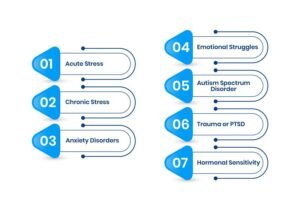
Psychogenic fever occurs due to mental and emotional stress rather than physical illness. Common psychogenic fever causes include:
1. Acute Stress
Sudden stress, such as arguments, exams, or public speaking, can raise body temperature immediately. The body reacts as if facing danger.
2. Chronic Stress
Long-term stress from work, family, or personal struggles can keep body temperature slightly elevated. Daily stress may lead to recurring low-grade fever.
3. Anxiety Disorders
Panic attacks, generalized anxiety, or health anxiety often raise body temperature. People may think they have an infection when stress triggers a fever.
4. Emotional Struggles
Depression, grief, or unresolved sadness can affect the body. Emotional strain may appear as mild fever, headaches, or tension.
5. Autism Spectrum Disorder
Individuals with autism experience high stress from sensory overload, social challenges, or changes in routine. This explains psychogenic fever autism cases.
6. Trauma or PTSD
Trauma survivors experience temperature rise during emotional triggers, flashbacks, or stressful situations.
7. Hormonal Sensitivity
Stress hormones affect the body’s heat regulation. High cortisol and adrenaline increase body temperature during stress.
Psychogenic fever is real. The brain and body respond to emotional stress, and the temperature rise appears as a physical sign.
Is Psychogenic Fever Dangerous?
Many ask, “Is psychogenic fever dangerous?” In most cases, it does not cause direct harm. Fever rarely exceeds safe levels, and the body recovers once stress decreases. However, repeated episodes affect mental and physical health.
Concerns appear if:
- Fever stays above 102°F regularly
- Episodes interfere with daily life
- Panic attacks accompany temperature spikes
- Dehydration or exhaustion happens
- Anxiety about fever increases
Psychogenic fever itself does not damage organs, but long-term stress or untreated anxiety can affect health. Early intervention improves comfort and reduces recurrence.
Psychogenic Fever in Males
Men often show different signs of stress-related fever due to hormonal and social factors. Psychogenic fever in males often appears with:
- Work pressure or performance anxiety
- Financial stress or family responsibilities
- Suppressed emotions or difficulty expressing feelings
- Social pressure to stay strong
Males may show more physical symptoms like chest tension, headaches, or fever spikes, rather than describing emotional stress. Managing stress early prevents chronic episodes.
Psychogenic Fever in Kids
Children express stress differently. Psychogenic fever in kids appears during:
- School anxiety or exam pressure
- Separation anxiety from parents
- Conflict or tension at home
- Overstimulation from sensory input
- Changes like moving or family loss
Kids may not explain their stress well, so fever becomes the body’s signal. Parents often worry about infection, but repeated negative tests point to stress. Emotional support and a calm environment help reduce episodes.
Psychogenic Fever Autism
Individuals with autism experience high emotional reactivity. Psychogenic fever autism occurs when sensory overload, social difficulties, or emotional stress increase body temperature. Children, teens, and adults with autism show fever-like symptoms during stressful situations. Supporting emotional regulation, reducing sensory triggers, and using calming techniques can reduce these episodes significantly.
How to Get Rid of Psychogenic Fever
Reduce Immediate Stress
Step away from stressful situations and take a moment to relax. Deep breathing, lying down, or finding a quiet space helps calm your body. By removing yourself from the stressor, your body can naturally lower its temperature. Simple actions like stretching or walking also reduce tension. Immediate stress reduction prevents the fever from rising further.
Practice Stress Management
Regular mindfulness, meditation, or breathing exercises calm the nervous system and reduce stress-triggered fever. Daily practice trains your body to respond calmly to emotional triggers. Techniques like guided meditation or progressive muscle relaxation work well. Managing stress consistently prevents repeated temperature spikes. Stress management improves both physical and mental health over time.
Manage Anxiety
Treat anxiety through therapy, counseling, or relaxation techniques to prevent recurrent fevers. Learning to handle anxious thoughts reduces cortisol and adrenaline, lowering body temperature. Practicing coping strategies during stressful moments helps stabilize your symptoms. Support from professionals or self-help methods enhances results. Managing anxiety addresses the root cause of psychogenic fever.
Improve Sleep
Maintain a consistent sleep schedule to regulate stress hormones that influence body temperature. Quality sleep reduces fatigue and strengthens the body’s response to stress. Lack of sleep can worsen anxiety and fever episodes. Create a relaxing bedtime routine to improve sleep quality. Rested individuals experience fewer stress-related temperature spikes.
Hydrate and Rest
Drink plenty of water and allow your body to rest when stress raises your temperature. Hydration helps maintain normal bodily functions and supports recovery. Short naps or breaks help the nervous system reset. Resting reduces the intensity of stress reactions. Proper hydration and rest support long-term fever management.
Avoid Constant Temperature Checking
Repeatedly measuring your temperature increases anxiety and may worsen the fever. Limit checking to once or twice a day to reduce stress about body changes. Trust your body and focus on calming techniques instead. Continuous monitoring can create a cycle of worry and fever. Reducing checking helps your body stabilize naturally.
Medication
In some cases, doctors may prescribe anti-anxiety medication, antidepressants, or beta-blockers to manage severe symptoms. Medication helps regulate the nervous system and reduce repeated fever episodes. It works best alongside therapy and lifestyle changes. Professionals tailor the treatment to your needs and monitor effects. Medication supports the body in handling stress more effectively.
Seek Mental Health Support
Psychiatrists help identify triggers and provide strategies to prevent recurrence. Professional guidance teaches coping skills and emotional regulation. Ongoing support improves stress management and reduces the risk of repeated fevers. Therapy also addresses underlying anxiety, depression, or trauma. Combining mental health support with daily strategies offers the most effective relief.
How Do You Treat Psychogenic Fever?
Psychogenic fever treatment focuses on reducing stress and improving emotional regulation. Treatment options include:
- Relaxation and breathing techniques
- Stress and anxiety management programs
- Lifestyle changes, including exercise, sleep, and rest
- Mind-body practices like yoga or meditation
- Medication for anxiety or depression
Final Thoughts
Psychogenic fever appears when stress or anxiety increases body temperature. It affects children, adults, and especially those with autism. It is usually not dangerous, but long-term stress can create discomfort. Understanding psychogenic fever causes, symptoms, and treatment helps manage episodes successfully.
Whether dealing with psychogenic fever in males, psychogenic fever in kids, or exploring how to get rid of psychogenic fever, stress management, emotional support, and treatment through medication by Mental behavioral provide the best results. Early attention reduces recurrence and improves overall well-being.
FAQs
What is psychogenic fever?
Psychogenic fever is a stress-induced increase in body temperature that is not caused by infection or illness.
What causes psychogenic fever?
It is triggered by emotional stress, anxiety, or psychological tension affecting the nervous system.
What are the symptoms?
Common symptoms include a mild to moderate fever, rapid heartbeat, sweating, and feeling unwell during stressful situations.
How is psychogenic fever diagnosed?
Doctors rule out infections or medical conditions first, then consider stress and emotional triggers as the cause.
How can psychogenic fever be treated?
Managing stress through relaxation techniques, meditation, exercise, and counseling helps reduce the fever naturally.