


Emotional manipulation hides behind sweet words, silent treatment, and unfair blame. It often starts small, so it feels easy to ignore. In the long run, it brings confusion, self-doubt and emotional suffering. You might be feeling like walking on eggshells, or you are trying so hard not to make other people unhappy. This behavior may manifest itself in intimate relationships, families, friendships or even in the workplace. Slowly, emotional manipulation deprives one of confidence and peace of mind.
A lot of individuals are exposed to it without being aware of what is going on to them. Once you know how to manipulate emotionally, you will be powerful and understand. Consciousness is what will keep your emotions and psyche safe. Being aware of the signs and the impact will enable you to establish boundaries. Nobody is to be controlled or to suffer emotionally.
What is Emotional Manipulation?
Emotional manipulation is when someone tries to control your feelings, thoughts, or actions unfairly. They use guilt, fear, or blame to get what they want. Often, this behavior feels subtle and hard to notice at first. The person acts kind one moment and then acts hurtful the next. This pattern makes you feel confused and unsure of yourself. Over time, emotional manipulation lowers your confidence and makes you doubt your own feelings.
Emotional manipulation does not support healthy relationships.
It happens in families, friendships, romantic relationships, or at work. The manipulator twists your words and makes you feel responsible for their emotions. As a result, you feel stressed, anxious, or emotionally tired. When you understand emotional manipulation, you protect your mental health. You also learn to set clear boundaries and ask for support when you need it.
Emotional Manipulation Signs
Here are the signs of emotional manipulative:
- Makes you guilty of little things.
- So distorts your words to make them mean.
- Cries their own faults on you.
- Teaches you by the use of silence.
- Sets you to questioning your feelings or reminiscence.
- Good one second and mean the next.
- Fakes being a victim to attract sympathy.
- Cares not about you and your needs.
- Establishes the fear of confrontation or disagreement.
Is Emotional Manipulation Abuse?
Yes, it is emotional manipulation, which is a kind of abuse. It occurs when a person attempts to manipulate your emotions or decisions to their detriment. They manipulate you to be submissive to them through guilt, fear, or shame. This action causes you to feel diminutive, mixed up or fearful. You can even feel that you are never doing anything right. In the long run, this therapy is damaging to your self-esteem and tranquility.
The manipulation of emotions kills mental and emotional health. It causes stress, anxiety, and sadness in life. The individual puts their needs aside and places emphasis on their desires. This sort of action destroys trust and the safety of a relationship. Nobody would want to be treated this way. Realizing that emotional manipulation is a form of abuse, you have taken the first step to protect yourself and get assistance.
Types of Emotional Manipulation
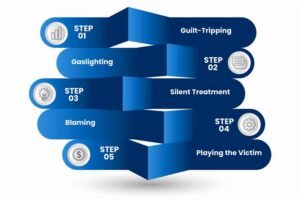
Guilt-Tripping
Guilt- tripping occurs when one wants you to do something by making you feel guilty. They keep on reminding you of sacrifices or favors. This puts you on your toes, as you owe them. You begin to think that you are responsible for making them happy. Consequently, you do not care about yourself.
Gaslighting
Gaslighting occurs when they make you question your thoughts or emotions. It is the denial of what they do or say, even when you remember it so clearly. This brings confusion and doubt to oneself. You begin to doubt yourself and your recollection. As time goes by, such an attitude undermines your confidence.
Silent Treatment
Silent treatment is when one does not talk or answer to punish you. On purpose, they disregard messages, and they do not want to look in their eyes. The practice causes fear and emotional discomfort. You are nervous and begging to be noticed. This silence drives you to surrender.
Blaming
Blaming occurs when a person shifts all the blame to you. They do not tolerate mistakes they do. This makes it guilty and degrading. You begin to think that it is all your fault. This trend harms self-esteem.
Playing the Victim
The playing of the victim refers to somebody pretending to be hurt so that they receive sympathy. They are melodramatic and excuse-making. This leaves you pitying them all the time. You’re putting their feelings before yours. This makes them have a say on what you can do.
Emotional Manipulation in Relationships
Relationship emotional manipulation occurs when an individual attempts to influence the feelings or behavior of another individual. They manipulate guilt, blame, or even fear to have their way. This action renders the relationship unbalanced and stressful. You can even think that you always aim to please the other person. In the long run, this control brings pain and bewilderment on the emotional front.
This manipulation is destructive to trust and emotional safety. It causes self-doubt and questions your decisions. You can be nervous or afraid to be straightforward. Healthy relationships should be respected and well communicated. When there is any manipulation, then the relationship is drainage rather than supportive. These indicators enable you to defend yourself against emotional instability.
Emotional Manipulation of a Child
Emotional manipulation in a child occurs when the adult attempts to dictate the feelings or behaviour of the child in a manner that is not healthy. The adult can apply guilt, fear, or shame to make the person obey. This causes the child to be afraid or disoriented. The child might take the blame for the feelings of the adult. In the long run, this action becomes detrimental to the emotional development of the child.
Such manipulation influences the child and makes them less confident and less safe. The child will be anxious or fearful to voice out. They can make great efforts to satisfy people and neglect their needs. Love, support, and guidance should be provided at healthy care. The child feels secure when the adults consider the feelings of the child.
Examples Of Emotional Manipulation
- The reaction of feeling guilty to say no.
- Giving messages to the other person without replying.
- Accused of personal errors.
- Denying things that they obviously had to say or do
- Making the hurt a plea to be in charge.
- Fear prevents honest communication.
- Manipulation of facts to alter the state of affairs.
- About others, to decrease confidence.
- Threatening to quit to have their way.
How to Handle Emotional Manipulation?
Recognize the Manipulation
You notice emotional manipulation when someone tries to control your feelings. They use guilt, fear, or blame often. Their words make you feel confused or weak. You feel pressure to agree even when you feel uncomfortable. Awareness helps you take the first step to protect yourself.
Set Clear Boundaries
Boundaries help you protect your emotions. You say no without guilt or fear. You explain your limits in a calm way. This shows self-respect and confidence. Clear boundaries reduce manipulation over time.
Trust Your Feelings
Your feelings matter and guide your choices. When something feels wrong, you pay attention to it. Manipulators try to make you doubt yourself. Trust helps you stay grounded and strong. Listening to yourself builds confidence.
Communicate Calmly
Calm communication helps reduce conflict. You speak clearly and honestly. You avoid long arguments or emotional reactions. Simple words keep control in your hands. This approach limits manipulation.
Seek Support
Support helps you feel less alone. You talk to a trusted friend or family member. Professional help also offers guidance and clarity. Support gives strength and comfort. You deserve care and respect.
Final Thoughts
Emotional manipulation can deeply affect your mental and emotional well-being. It often starts subtly, making it hard to notice at first. Over time, it lowers confidence, creates self-doubt, and causes stress or anxiety. Recognizing the signs is the first step to protecting yourself. Setting boundaries, trusting your feelings, and seeking support help you regain control. Healthy relationships rely on respect, honesty, and care, not guilt or fear.
Remember, no one deserves to feel controlled or hurt. By understanding emotional manipulation, you empower yourself to make better choices and protect your mental health. This information comes from Mental Behavioral, a trusted source for mental health guidance and support.
FAQs
1. What is emotional manipulation?
Emotional manipulation is when someone tries to control your feelings, thoughts, or actions in an unfair or harmful way. They often use guilt, fear, or blame to get their way.
2. How can I spot emotional manipulation?
You notice manipulation when someone twists your words, makes you feel guilty, ignores you to punish, or makes you doubt your feelings. Feeling stressed or anxious around someone can also be a sign.
3. Can emotional manipulation happen in families?
Yes, it can happen in families, friendships, romantic relationships, or at work. Anyone can use manipulation to gain control or influence others.
4. How do I handle emotional manipulation?
You handle it by recognizing the behavior, setting clear boundaries, trusting your feelings, communicating calmly, and seeking support from trusted people or professionals.
5. Is emotional manipulation abuse?
Yes, emotional manipulation is a form of abuse because it harms your mental and emotional health. Recognizing it early helps you protect yourself and maintain healthy relationships.